Mastering Gear Ratios for Optimal Planetary Motor Performance
Choosing the correct gear ratio for your planetary motor is the foundation of building an efficient, reliable, and powerful mechanical system. Whether you are designing a conveyor belt or a high-precision robotic arm, an incorrect ratio can lead to motor burnout, sluggish performance, or catastrophic mechanical failure. Ever Power, a premier Netherlands manufacturer of advanced drive technology, provides this comprehensive guide to help engineers and designers calculate the exact reduction ratio needed for their applications.
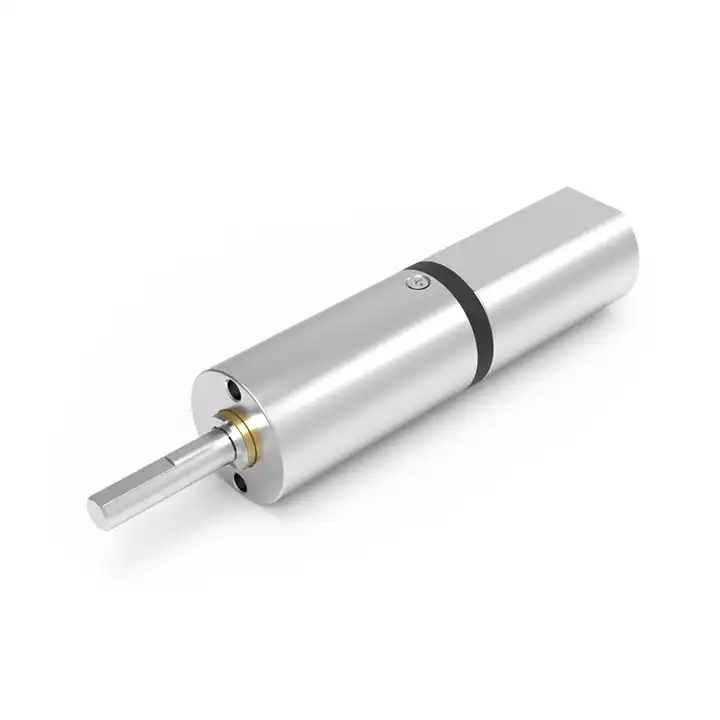
⚙️ Understanding the Epicyclic Gear Formula
A planetary drive consists of a central sun gear, multiple planet gears, and an outer ring gear. The ratio is determined by the number of teeth on the sun gear and the ring gear. The most common configuration involves locking the ring gear and driving the sun gear, with the planet carrier acting as the output.
Standard Formula: Ratio = 1 + (Number of Ring Gear Teeth / Number of Sun Gear Teeth)
📐 Step-by-Step Calculation Guide
Step 1: Determine Input Speed
Identify the RPM of your driving electric motor. Standard servo or induction motors often run at 1500, 2000, or 3000 RPM. This is your baseline input velocity.
Step 2: Define Output Requirements
What is the required RPM for your final application? For instance, a slow-moving conveyor might only need 30 RPM to transport delicate goods safely.
Step 3: Calculate the Target Ratio
Divide the Input Speed by the Output Speed. Example: If your motor runs at 3000 RPM and you need 300 RPM at the shaft, 3000 / 300 = a 10:1 reduction ratio.
Step 4: Verify Torque Multiplication
Multiply the motor’s nominal torque by the ratio and the gearbox efficiency (typically 90-95% per stage). Ensure this meets your load’s torque requirement.
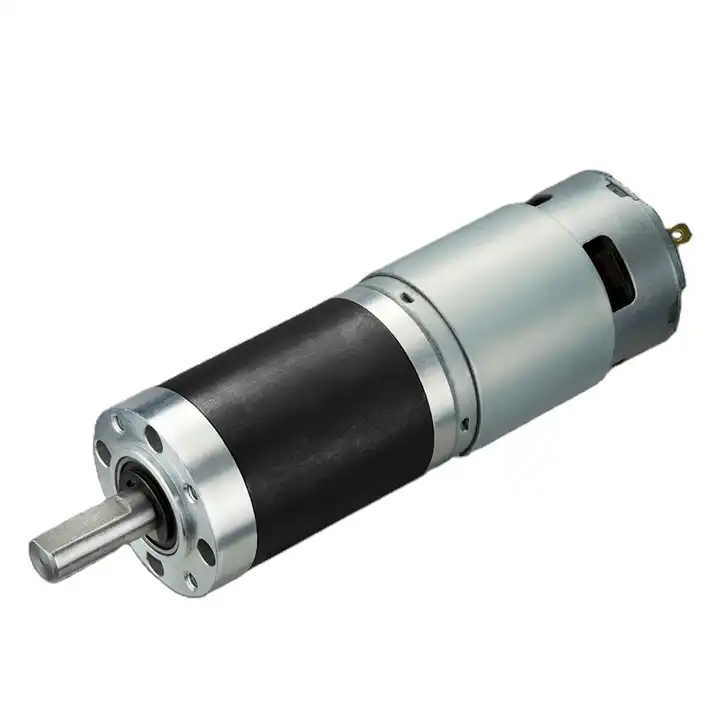
🔄 Multi-Stage Configurations for Extreme Ratios
When an application requires a ratio higher than 10:1, single-stage designs become mechanically impractical and inefficient. To solve this, Ever Power engineers stack planetary systems together to multiply the ratios.
For example, connecting a 5:1 primary stage to a 4:1 secondary stage yields a total reduction of 20:1. This modular approach allows us to achieve ratios exceeding 10,000:1 for extreme heavy-duty applications like solar tracking or heavy winching. For an extensive look at how these internal mechanisms are built, explore our detailed resource on planetary gearboxes.