HƯỚNG DẪN KỸ THUẬT ĐỘNG CƠ HÀNH
Planetary Gearmotor Brake Selection for Holding Loads
Mục tiêu thực tiễn là determine holding and stopping duties before choosing a brake. The discussion applies to mobile slopes, inclined conveyors and turntable stops. Engineers specifying a planetary geared motor need to consider the electrical or hydraulic input and the driven machine together; a reduction ratio, a product photograph and a motor power figure cannot establish the installed capability on their own.
Hướng dẫn này sắp xếp các quyết định xoay quanh... static holding torque, stop frequency Và release voltage or pressureTài liệu này mô tả các kiểm tra có thể được thực hiện từ hồ sơ vận hành, bản vẽ kích thước và tải trọng đo được. Nó không giả định rằng một biến thể trong danh mục không được chỉ định cụ thể có mô-men xoắn, cấp độ bảo vệ, chứng nhận hoặc tuổi thọ sử dụng nhất định. Mục tiêu là tạo ra một bản đặc tả hoàn chỉnh có thể được đối chiếu với sản phẩm thực tế.
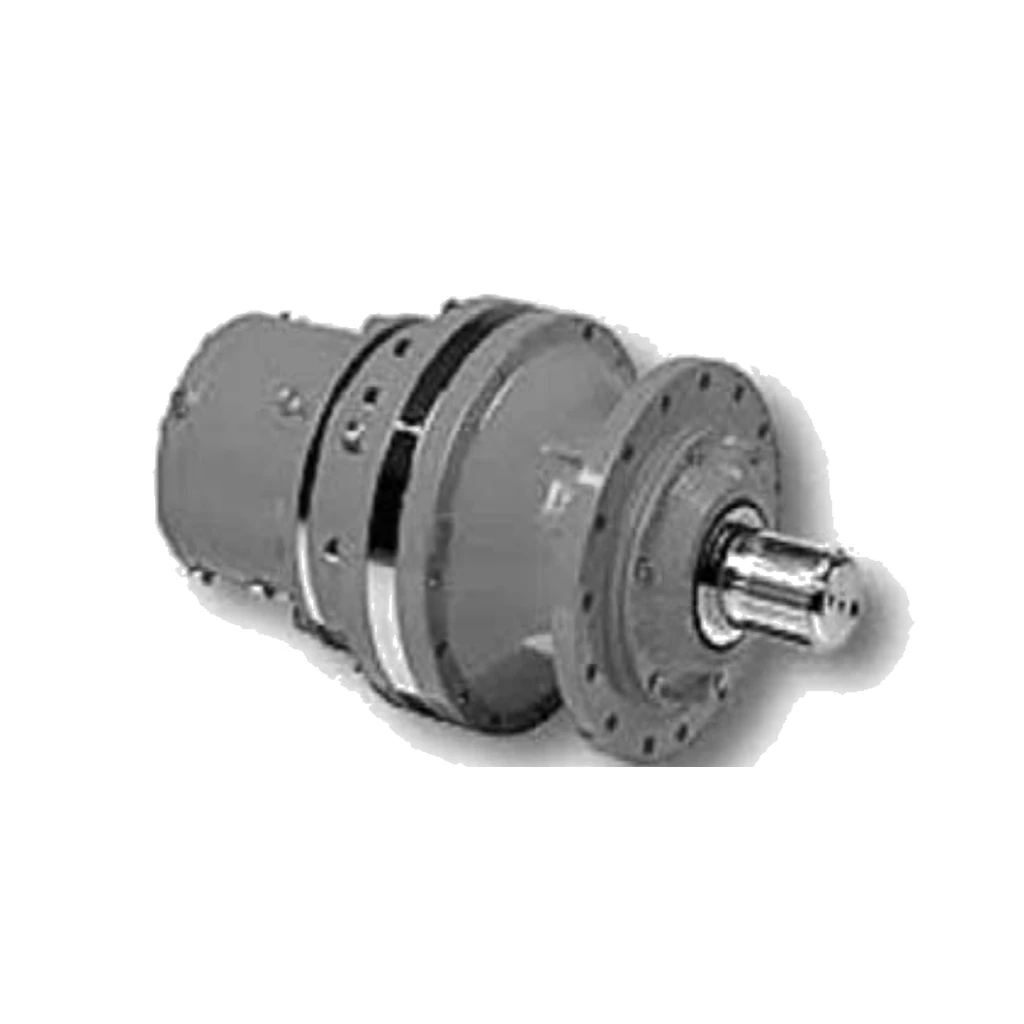
Holding purpose
Điểm kỹ thuật. A parking brake retains position after motion stops and may not be suitable as a dynamic service brake. In mobile slopes, inclined conveyors and turntable stops, this affects whether the drive can deliver the expected motion without passing an avoidable load into a bearing, adapter or control device. The starting reference is the measured static holding torque, not an attractive nameplate claim. Translate the observation into a drawing note or testable requirement before assigning it to the gearbox.
When the condition changes, compare the proposed motor and reduction arrangement against release voltage or pressure. A trial at one operating point is insufficient if the equipment accelerates, reverses or works at several loads. The decision is to determine holding and stopping duties before choosing a brake; make the assumptions visible in the RFQ and identify what the machine builder, motor maker and gearbox supplier will each verify.
Fail-safe logic
Spring-applied brakes generally need energy to release, requiring correct shutdown planning. This is particularly relevant to mobile slopes, inclined conveyors and turntable stops, where a short-lived demand can be masked by a comfortable-looking continuous specification. Begin by identifying the physical force path and how it reaches the reduction stage. A catalogue family description should tell you which configurations exist, but it does not replace the installed assembly drawing.
Use stop frequency to define an observable boundary and static holding torque to catch a second failure mechanism. If the value cannot be measured, list the calculation method and the source of the estimate. For fail-safe logic, document the consequence of both undersizing and choosing unnecessary complexity; the least expensive nominal drive is not always the least disruptive installed solution.
- Xác nhận: stop frequency and the actual load condition.
- So sánh: Kiểm tra tình trạng máy móc so với sự kết hợp động cơ và bộ giảm tốc được đề xuất.
- Ghi: Bản vẽ nguồn hoặc kết quả thử nghiệm được sử dụng để giải quyết vấn đề lựa chọn.
Hydraulic release
Kiểm tra cấu hình. EP track and wheel families document optional hydraulically released parking brakes. The buyer is not simply buying a ratio; the delivered item must fit the interfaces and conditions of mobile slopes, inclined conveyors and turntable stops. That means operating geometry, motor control, bearing reactions and maintenance access need to be reviewed together, even when the immediate question concerns only hydraulic release.
Put the verified release voltage or pressure beside stop frequency on the same review sheet. Compare the original design requirement with what the supplier proposes, and flag any field marked “to be confirmed.” Where operating history is incomplete, use a guarded commissioning trial to verify the selection rather than treating an extrapolated specification as a guaranteed rating.
Khám phá dòng sản phẩm ổ đĩa phù hợp →
Electric release
EP700 mentions AC and DC brake options that still require approved voltage and torque. A practical design review starts with the intended machine movement, not a parts catalogue illustration. For mobile slopes, inclined conveyors and turntable stops, identify which surfaces carry torque, which parts locate the assembly and which connections are available for inspection after the guards are fitted. Different installation constraints can change the appropriate motor and gearbox combination.
The two questions to close are how static holding torque was established and what evidence supports release voltage or pressure. Request a drawing, test record or nameplate photograph for each important interface. This approach allows a procurement team to compare alternatives without accidentally transferring dimensions from a different gearbox size or motor frame.
Dynamics
A rapidly stopping load can store kinetic energy far above its static holding requirement. In an actual mobile slopes, inclined conveyors and turntable stops installation, this should be treated as a verification task, not a promotional advantage. Review the expected load history alongside the motor characteristics and the selected gearbox support method. If the drive may see a different duty later, record what would have to be recalculated before changing its application.
Keep stop frequency and static holding torque in the selection record and use consistent units. Estimate uncertainty explicitly instead of rounding it away. The engineering purpose remains to determine holding and stopping duties before choosing a brake; a useful recommendation states the remaining limits and the observations that would invalidate the proposed configuration.
- Xác nhận: stop frequency and the actual load condition.
- So sánh: Kiểm tra tình trạng máy móc so với sự kết hợp động cơ và bộ giảm tốc được đề xuất.
- Ghi: Bản vẽ nguồn hoặc kết quả thử nghiệm được sử dụng để giải quyết vấn đề lựa chọn.
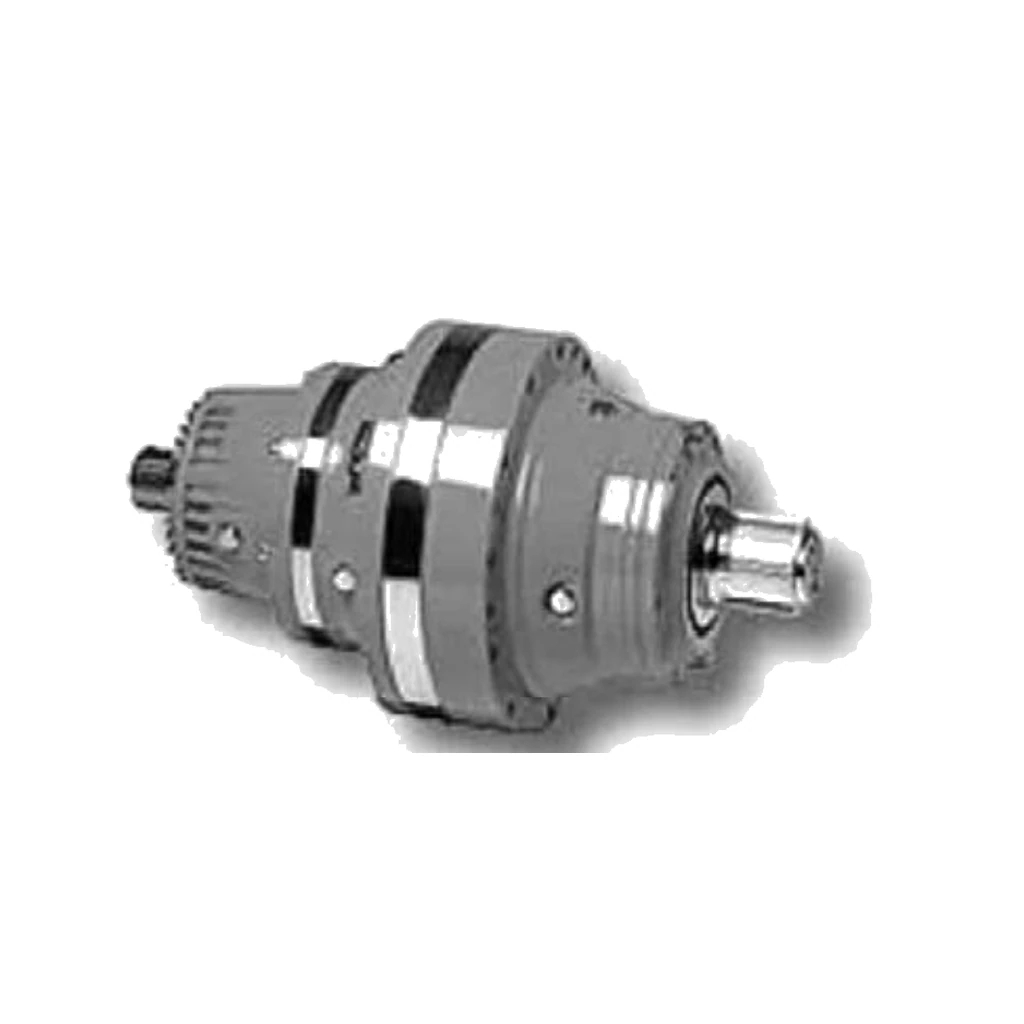
Electrical control
Điểm kỹ thuật. Inverters and interlocks need timing compatible with motor torque buildup. In mobile slopes, inclined conveyors and turntable stops, this affects whether the drive can deliver the expected motion without passing an avoidable load into a bearing, adapter or control device. The starting reference is the measured release voltage or pressure, not an attractive nameplate claim. Translate the observation into a drawing note or testable requirement before assigning it to the gearbox.
When the condition changes, compare the proposed motor and reduction arrangement against stop frequency. A trial at one operating point is insufficient if the equipment accelerates, reverses or works at several loads. The decision is to determine holding and stopping duties before choosing a brake; make the assumptions visible in the RFQ and identify what the machine builder, motor maker and gearbox supplier will each verify.
Lắp đặt
Brake air gap, friction surfaces and release travel should be inspected by qualified staff. This is particularly relevant to mobile slopes, inclined conveyors and turntable stops, where a short-lived demand can be masked by a comfortable-looking continuous specification. Begin by identifying the physical force path and how it reaches the reduction stage. A catalogue family description should tell you which configurations exist, but it does not replace the installed assembly drawing.
Use static holding torque to define an observable boundary and release voltage or pressure to catch a second failure mechanism. If the value cannot be measured, list the calculation method and the source of the estimate. For installation, document the consequence of both undersizing and choosing unnecessary complexity; the least expensive nominal drive is not always the least disruptive installed solution.
RFQ proof
Kiểm tra cấu hình. Supply requested static holding load, speed at stop and safety requirements. The buyer is not simply buying a ratio; the delivered item must fit the interfaces and conditions of mobile slopes, inclined conveyors and turntable stops. That means operating geometry, motor control, bearing reactions and maintenance access need to be reviewed together, even when the immediate question concerns only rfq proof.
Put the verified stop frequency beside static holding torque on the same review sheet. Compare the original design requirement with what the supplier proposes, and flag any field marked “to be confirmed.” Where operating history is incomplete, use a guarded commissioning trial to verify the selection rather than treating an extrapolated specification as a guaranteed rating.
Hồ sơ nhiệm vụ và hành vi khởi động
Establish the actual ratio between normal working load and worst credible startup or reversing event. Count starts per hour and identify any exceptional jam or stall scenario. In an actual mobile slopes, inclined conveyors and turntable stops installation, this should be treated as a verification task, not a promotional advantage. Review the expected load history alongside the motor characteristics and the selected gearbox support method. If the drive may see a different duty later, record what would have to be recalculated before changing its application.
Keep static holding torque and release voltage or pressure in the selection record and use consistent units. Estimate uncertainty explicitly instead of rounding it away. The engineering purpose remains to determine holding and stopping duties before choosing a brake; a useful recommendation states the remaining limits and the observations that would invalidate the proposed configuration.
Biên độ lựa chọn và các giả định được ghi chép
Điểm kỹ thuật. Review mechanical torque, thermal power, shaft loads and expected life as separate limits. Make the selected safety or service-factor assumptions visible to the buyer and installer. In mobile slopes, inclined conveyors and turntable stops, this affects whether the drive can deliver the expected motion without passing an avoidable load into a bearing, adapter or control device. The starting reference is the measured stop frequency, not an attractive nameplate claim. Translate the observation into a drawing note or testable requirement before assigning it to the gearbox.
When the condition changes, compare the proposed motor and reduction arrangement against static holding torque. A trial at one operating point is insufficient if the equipment accelerates, reverses or works at several loads. The decision is to determine holding and stopping duties before choosing a brake; make the assumptions visible in the RFQ and identify what the machine builder, motor maker and gearbox supplier will each verify.
Tải động và các sự kiện đặc biệt
Identify reversals, braking, overload events and any possibility of the equipment being driven backward by the load. Confirm holding and protective functions independently of the gear ratio. This is particularly relevant to mobile slopes, inclined conveyors and turntable stops, where a short-lived demand can be masked by a comfortable-looking continuous specification. Begin by identifying the physical force path and how it reaches the reduction stage. A catalogue family description should tell you which configurations exist, but it does not replace the installed assembly drawing.
Use release voltage or pressure to define an observable boundary and stop frequency to catch a second failure mechanism. If the value cannot be measured, list the calculation method and the source of the estimate. For dynamic loading and exceptional events, document the consequence of both undersizing and choosing unnecessary complexity; the least expensive nominal drive is not always the least disruptive installed solution.
Tiếp tục với hướng dẫn kỹ thuật liên quan →
Dầu, lắp đặt và kiểm tra
Kiểm tra cấu hình. Confirm mounting orientation, oil quantity and grade, vent position, temperature and drain access for the actual configuration. Check the first start against the gearbox-specific installation instructions. The buyer is not simply buying a ratio; the delivered item must fit the interfaces and conditions of mobile slopes, inclined conveyors and turntable stops. That means operating geometry, motor control, bearing reactions and maintenance access need to be reviewed together, even when the immediate question concerns only oil, installation and inspection.
Put the verified static holding torque beside release voltage or pressure on the same review sheet. Compare the original design requirement with what the supplier proposes, and flag any field marked “to be confirmed.” Where operating history is incomplete, use a guarded commissioning trial to verify the selection rather than treating an extrapolated specification as a guaranteed rating.
Các câu hỏi kỹ thuật thường được đặt ra trước khi đặt hàng.
Liệu chỉ dựa vào tỷ số truyền có thể xác định chính xác loại động cơ hay không? No. Ratio controls the approximate speed relationship; static holding torque and the real load profile still govern whether the motor and reduction stage fit the duty.
Cần đo những gì trên máy móc hiện có? Start with stop frequency, record the output connection and note how the load changes from startup to sustained operation.
Liệu việc sử dụng vỏ máy tính đồng bộ có đảm bảo khả năng thay thế lẫn nhau? Không. Tỷ số truyền bên trong, giá đỡ ổ trục, bộ chuyển đổi động cơ, biên dạng trục, bố trí phanh và bộ phận dẫn hướng lắp đặt có thể khác nhau ngay cả giữa các vỏ máy trông tương tự nhau.
Thông tin cần thiết cho báo giá kỹ thuật
Before requesting a configuration, provide a brief machine description, the measured static holding torque, the operating stop frequency, the available space envelope and the motor supply or hydraulic circuit. Include clear photographs of existing connections and a drawing of the driven shaft. For replacement work, provide both the original gearbox marking and the motor nameplate so neither interface is guessed.
Gửi bảng phân công nhiệm vụ dự án qua email →
Yêu cầu về sản phẩm và cấu hình: [email protected]Các thông số kỹ thuật cần được xác nhận cho cấu hình đã chọn; không thể suy ra kích thước hoặc khả năng tương thích động cơ từ hình ảnh minh họa.