پلینٹری موٹر تکنیکی گائیڈ
سیاروں کے گیئرموٹرز خودکار گائیڈڈ گاڑیوں کو کس طرح سپورٹ کرتے ہیں۔
عملی مقصد یہ ہے۔ evaluate wheel torque, traction and electrical drive control. The discussion applies to warehouse AGVs and mobile material handling platforms. Engineers specifying a planetary geared motor need to consider the electrical or hydraulic input and the driven machine together; a reduction ratio, a product photograph and a motor power figure cannot establish the installed capability on their own.
یہ گائیڈ اردگرد کے فیصلوں کو منظم کرتی ہے۔ vehicle mass, wheel radius اور duty cycle. یہ ان چیکوں کی وضاحت کرتا ہے جو آپریٹنگ ریکارڈز، جہتی ڈرائنگ اور ناپے ہوئے بوجھ سے کیے جا سکتے ہیں۔ یہ فرض نہیں کرتا ہے کہ ایک غیر متعینہ کیٹلاگ ویرینٹ میں کوئی خاص ٹارک، پروٹیکشن گریڈ، سرٹیفیکیشن یا سروس لائف ہے۔ مقصد ایک مکمل تصریح ہے جس کا کسی حقیقی شے کے خلاف جائزہ لیا جا سکتا ہے۔
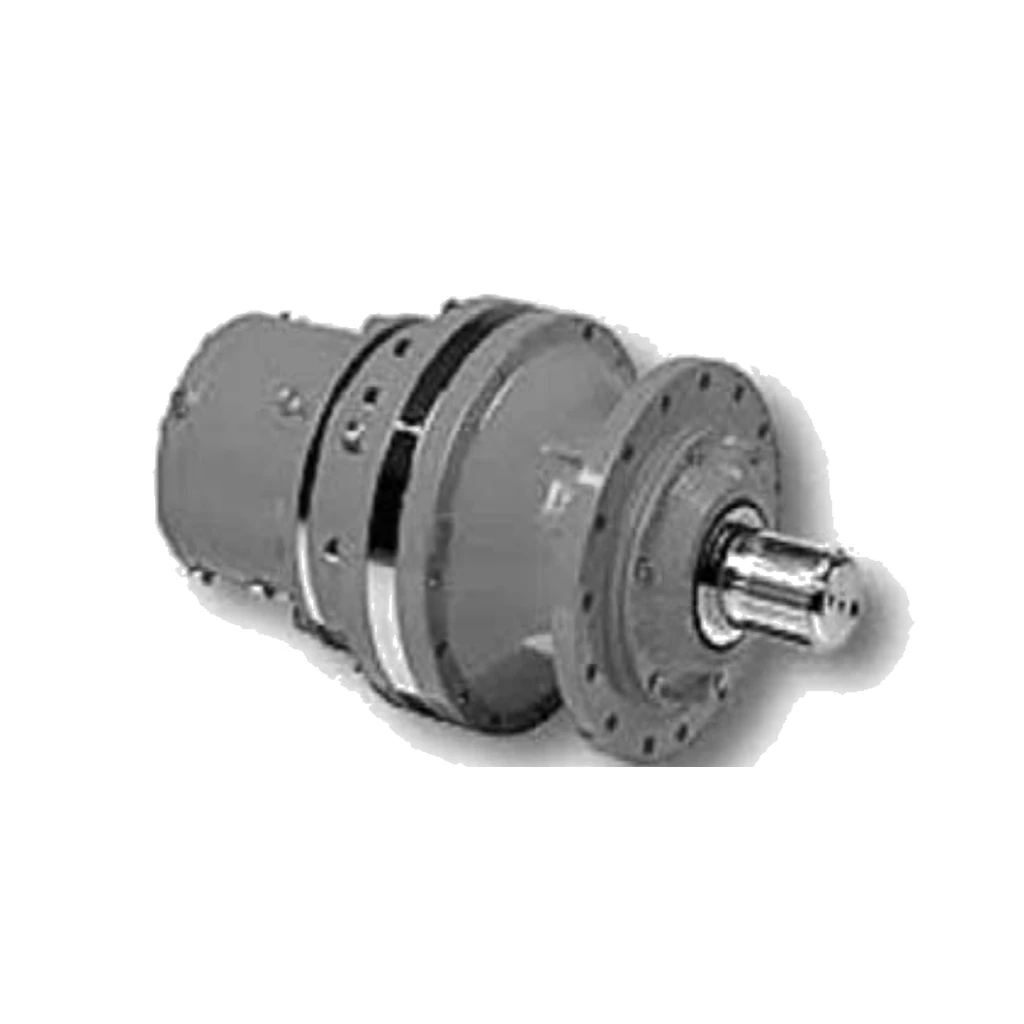
Ramp torque
انجینئرنگ پوائنٹ۔ Gradient starts and pallet loading can require very different peak motor current. In warehouse AGVs and mobile material handling platforms, this affects whether the drive can deliver the expected motion without passing an avoidable load into a bearing, adapter or control device. The starting reference is the measured vehicle mass, not an attractive nameplate claim. Translate the observation into a drawing note or testable requirement before assigning it to the gearbox.
When the condition changes, compare the proposed motor and reduction arrangement against duty cycle. A trial at one operating point is insufficient if the equipment accelerates, reverses or works at several loads. The decision is to evaluate wheel torque, traction and electrical drive control; make the assumptions visible in the RFQ and identify what the machine builder, motor maker and gearbox supplier will each verify.
Drive wheel
The gearbox output may need to carry side loads or transfer them to separate wheel bearings. This is particularly relevant to warehouse AGVs and mobile material handling platforms, where a short-lived demand can be masked by a comfortable-looking continuous specification. Begin by identifying the physical force path and how it reaches the reduction stage. A catalogue family description should tell you which configurations exist, but it does not replace the installed assembly drawing.
Use wheel radius to define an observable boundary and battery limits to catch a second failure mechanism. If the value cannot be measured, list the calculation method and the source of the estimate. For drive wheel, document the consequence of both undersizing and choosing unnecessary complexity; the least expensive nominal drive is not always the least disruptive installed solution.
- تصدیق کریں: wheel radius and the actual load condition.
- موازنہ کریں: مجوزہ موٹر اور کمی کے امتزاج کے خلاف تصدیق شدہ مشین کی حالت۔
- ریکارڈ: انتخاب کے مسئلے کو بند کرنے کے لیے استعمال ہونے والا سورس ڈرائنگ یا ٹیسٹ کا نتیجہ۔
Energy demand
کنفیگریشن چیک۔ A high ratio changes motor operating points and therefore battery efficiency. The buyer is not simply buying a ratio; the delivered item must fit the interfaces and conditions of warehouse AGVs and mobile material handling platforms. That means operating geometry, motor control, bearing reactions and maintenance access need to be reviewed together, even when the immediate question concerns only energy demand.
Put the verified duty cycle beside vehicle mass on the same review sheet. Compare the original design requirement with what the supplier proposes, and flag any field marked “to be confirmed.” Where operating history is incomplete, use a guarded commissioning trial to verify the selection rather than treating an extrapolated specification as a guaranteed rating.
مماثل ڈرائیو فیملی کو دریافت کریں →
شور
Indoor logistics routes value quiet operation but still require practical durability. A practical design review starts with the intended machine movement, not a parts catalogue illustration. For warehouse AGVs and mobile material handling platforms, identify which surfaces carry torque, which parts locate the assembly and which connections are available for inspection after the guards are fitted. Different installation constraints can change the appropriate motor and gearbox combination.
The two questions to close are how battery limits was established and what evidence supports wheel radius. Request a drawing, test record or nameplate photograph for each important interface. This approach allows a procurement team to compare alternatives without accidentally transferring dimensions from a different gearbox size or motor frame.
Safety architecture
Functional stopping and parking brake requirements belong to the vehicle risk analysis. In an actual warehouse AGVs and mobile material handling platforms installation, this should be treated as a verification task, not a promotional advantage. Review the expected load history alongside the motor characteristics and the selected gearbox support method. If the drive may see a different duty later, record what would have to be recalculated before changing its application.
Keep vehicle mass and duty cycle in the selection record and use consistent units. Estimate uncertainty explicitly instead of rounding it away. The engineering purpose remains to evaluate wheel torque, traction and electrical drive control; a useful recommendation states the remaining limits and the observations that would invalidate the proposed configuration.
- تصدیق کریں: vehicle mass and the actual load condition.
- موازنہ کریں: مجوزہ موٹر اور کمی کے امتزاج کے خلاف تصدیق شدہ مشین کی حالت۔
- ریکارڈ: انتخاب کے مسئلے کو بند کرنے کے لیے استعمال ہونے والا سورس ڈرائنگ یا ٹیسٹ کا نتیجہ۔
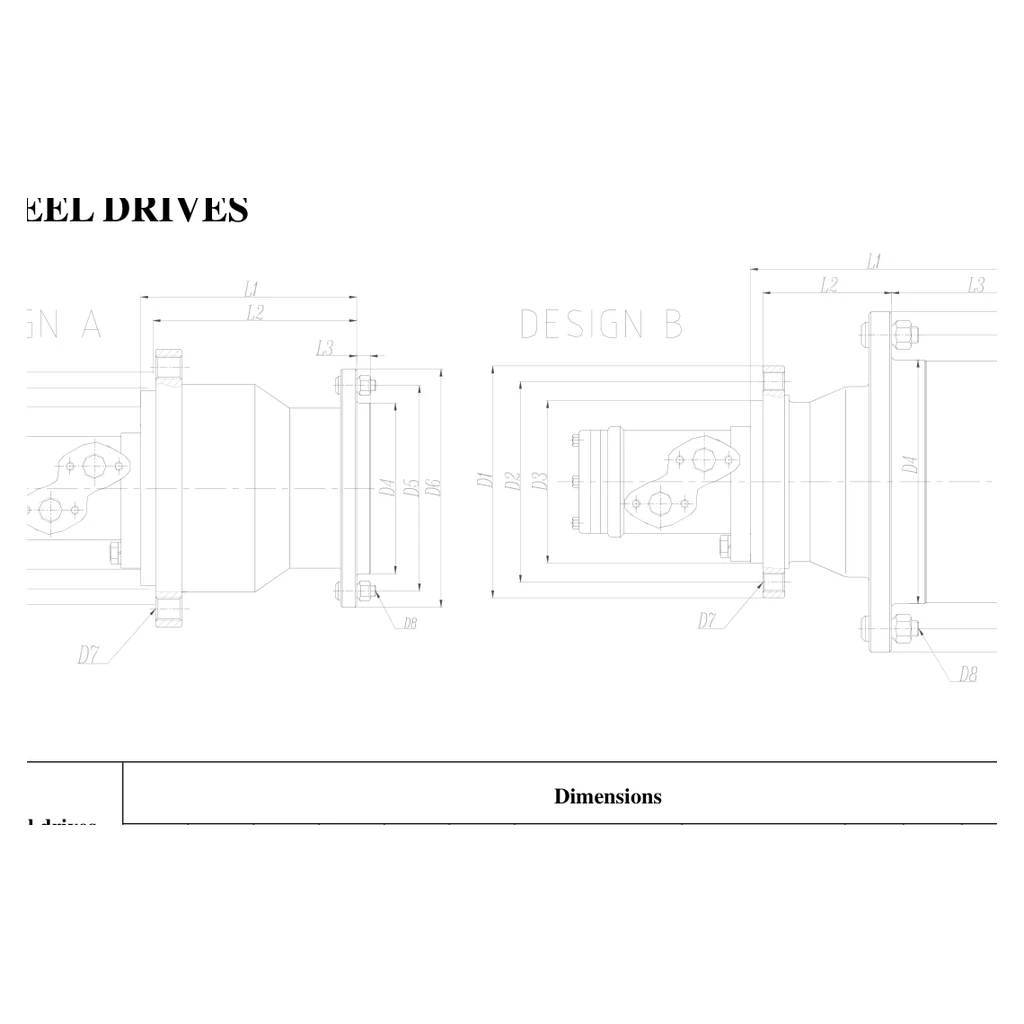
Thermal enclosure
انجینئرنگ پوائنٹ۔ Compact underbody installation can starve the motor of cooling airflow. In warehouse AGVs and mobile material handling platforms, this affects whether the drive can deliver the expected motion without passing an avoidable load into a bearing, adapter or control device. The starting reference is the measured wheel radius, not an attractive nameplate claim. Translate the observation into a drawing note or testable requirement before assigning it to the gearbox.
When the condition changes, compare the proposed motor and reduction arrangement against battery limits. A trial at one operating point is insufficient if the equipment accelerates, reverses or works at several loads. The decision is to evaluate wheel torque, traction and electrical drive control; make the assumptions visible in the RFQ and identify what the machine builder, motor maker and gearbox supplier will each verify.
اسٹینڈ لون ریڈوسر کے ساتھ سیاروں کی موٹر کا موازنہ کرنے والے قارئین کے لیے، related planetary reduction equipment متعلقہ گیئر باکس سیاق و سباق فراہم کرتا ہے۔ یہ بیرونی حوالہ ایک تبادلہ ہونے والا اعلان نہیں ہے۔ منتخب شدہ موٹر اور ریڈوسر کو صرف تصدیق شدہ انٹرفیس ڈیٹا سے میچ کریں۔
Wheel matching
Hub dimensions and steering clearance must be modeled before ordering. This is particularly relevant to warehouse AGVs and mobile material handling platforms, where a short-lived demand can be masked by a comfortable-looking continuous specification. Begin by identifying the physical force path and how it reaches the reduction stage. A catalogue family description should tell you which configurations exist, but it does not replace the installed assembly drawing.
Use duty cycle to define an observable boundary and vehicle mass to catch a second failure mechanism. If the value cannot be measured, list the calculation method and the source of the estimate. For wheel matching, document the consequence of both undersizing and choosing unnecessary complexity; the least expensive nominal drive is not always the least disruptive installed solution.
ڈرائیو کی وضاحتیں جمع کرائیں →
Field trial
کنفیگریشن چیک۔ Test a loaded mission profile including repeated stops and tight turns. The buyer is not simply buying a ratio; the delivered item must fit the interfaces and conditions of warehouse AGVs and mobile material handling platforms. That means operating geometry, motor control, bearing reactions and maintenance access need to be reviewed together, even when the immediate question concerns only field trial.
Put the verified battery limits beside wheel radius on the same review sheet. Compare the original design requirement with what the supplier proposes, and flag any field marked “to be confirmed.” Where operating history is incomplete, use a guarded commissioning trial to verify the selection rather than treating an extrapolated specification as a guaranteed rating.
تیل، تنصیب اور معائنہ
Confirm mounting orientation, oil quantity and grade, vent position, temperature and drain access for the actual configuration. Check the first start against the gearbox-specific installation instructions. In an actual warehouse AGVs and mobile material handling platforms installation, this should be treated as a verification task, not a promotional advantage. Review the expected load history alongside the motor characteristics and the selected gearbox support method. If the drive may see a different duty later, record what would have to be recalculated before changing its application.
Keep wheel radius and battery limits in the selection record and use consistent units. Estimate uncertainty explicitly instead of rounding it away. The engineering purpose remains to evaluate wheel torque, traction and electrical drive control; a useful recommendation states the remaining limits and the observations that would invalidate the proposed configuration.
حصولی قبولیت اور تکنیکی ہینڈ آف
انجینئرنگ پوائنٹ۔ Ask the supplier to return one specific model and a checked interface drawing with the quoted ratio, motor option, oil orientation and brake assumption. Save the revision with the purchase order. In warehouse AGVs and mobile material handling platforms, this affects whether the drive can deliver the expected motion without passing an avoidable load into a bearing, adapter or control device. The starting reference is the measured duty cycle, not an attractive nameplate claim. Translate the observation into a drawing note or testable requirement before assigning it to the gearbox.
When the condition changes, compare the proposed motor and reduction arrangement against vehicle mass. A trial at one operating point is insufficient if the equipment accelerates, reverses or works at several loads. The decision is to evaluate wheel torque, traction and electrical drive control; make the assumptions visible in the RFQ and identify what the machine builder, motor maker and gearbox supplier will each verify.
آؤٹ پٹ شافٹ اور مشین کے رد عمل
Distinguish transmitted torsional moment from lateral and axial forces introduced by belts, chain sprockets, hubs and supported loads. Measure the force application distance from the shaft shoulder. This is particularly relevant to warehouse AGVs and mobile material handling platforms, where a short-lived demand can be masked by a comfortable-looking continuous specification. Begin by identifying the physical force path and how it reaches the reduction stage. A catalogue family description should tell you which configurations exist, but it does not replace the installed assembly drawing.
Use battery limits to define an observable boundary and wheel radius to catch a second failure mechanism. If the value cannot be measured, list the calculation method and the source of the estimate. For output shaft and machine reactions, document the consequence of both undersizing and choosing unnecessary complexity; the least expensive nominal drive is not always the least disruptive installed solution.
متعلقہ تکنیکی گائیڈ کے ساتھ جاری رکھیں →
مطلوبہ آپریٹنگ زندگی پر خدمت کی اہلیت
کنفیگریشن چیک۔ Record access to oil plugs, motor removal clearance, coupling service and the way an operator will observe temperature, noise or leakage. Give maintenance staff the accepted baseline values. The buyer is not simply buying a ratio; the delivered item must fit the interfaces and conditions of warehouse AGVs and mobile material handling platforms. That means operating geometry, motor control, bearing reactions and maintenance access need to be reviewed together, even when the immediate question concerns only serviceability over the intended operating life.
Put the verified vehicle mass beside duty cycle on the same review sheet. Compare the original design requirement with what the supplier proposes, and flag any field marked “to be confirmed.” Where operating history is incomplete, use a guarded commissioning trial to verify the selection rather than treating an extrapolated specification as a guaranteed rating.
آرڈر دینے سے پہلے انجینئرنگ کے سوالات اکثر اٹھائے جاتے ہیں۔
کیا اکیلے تناسب صحیح موٹر کی تصدیق کر سکتا ہے؟ No. Ratio controls the approximate speed relationship; vehicle mass and the real load profile still govern whether the motor and reduction stage fit the duty.
موجودہ مشین پر کیا ماپا جانا چاہئے؟ Start with wheel radius, record the output connection and note how the load changes from startup to sustained operation.
کیا مماثل ہاؤسنگ تبادلہ کی ضمانت دیتا ہے؟ نمبر۔ اندرونی تناسب، بیئرنگ سپورٹ، موٹر اڈاپٹر، شافٹ پروفائل، بریک کا انتظام اور ماؤنٹنگ پائلٹ ایک جیسے نظر آنے والے مکانات کے درمیان بھی مختلف ہو سکتے ہیں۔
انجینئرنگ کوٹیشن کے لیے درکار معلومات
Before requesting a configuration, provide a brief machine description, the measured vehicle mass, the operating wheel radius, the available space envelope and the motor supply or hydraulic circuit. Include clear photographs of existing connections and a drawing of the driven shaft. For replacement work, provide both the original gearbox marking and the motor nameplate so neither interface is guessed.
پروجیکٹ ڈیوٹی شیٹ → کو ای میل کریں۔
مصنوعات اور ترتیب کی درخواستیں: [email protected]. تکنیکی اقدار کو منتخب کنفیگریشن کے لیے تصدیق کی ضرورت ہوتی ہے۔ کسی بھی جہت یا موٹر کی مطابقت کا اندازہ کسی مثالی تصویر سے نہیں لگایا جاتا ہے۔