PLANETARY MOTOR TECHNICAL GUIDE
Kedudukan Pemasangan dan Pelinciran Motor Gear Planet
The practical objective is to place breather and oil level points correctly for the installed orientation. The discussion applies to horizontal, vertical and angled machine installations. Engineers specifying a planetary geared motor need to consider the electrical or hydraulic input and the driven machine together; a reduction ratio, a product photograph and a motor power figure cannot establish the installed capability on their own.
This guide organizes the decisions around shaft orientation, housing position dan oil grade. It describes checks that can be made from operating records, dimensional drawings and measured loads. It does not assume that an unspecified catalogue variant has a particular torque, protection grade, certification or service life. The aim is a complete specification that can be reviewed against a real item.
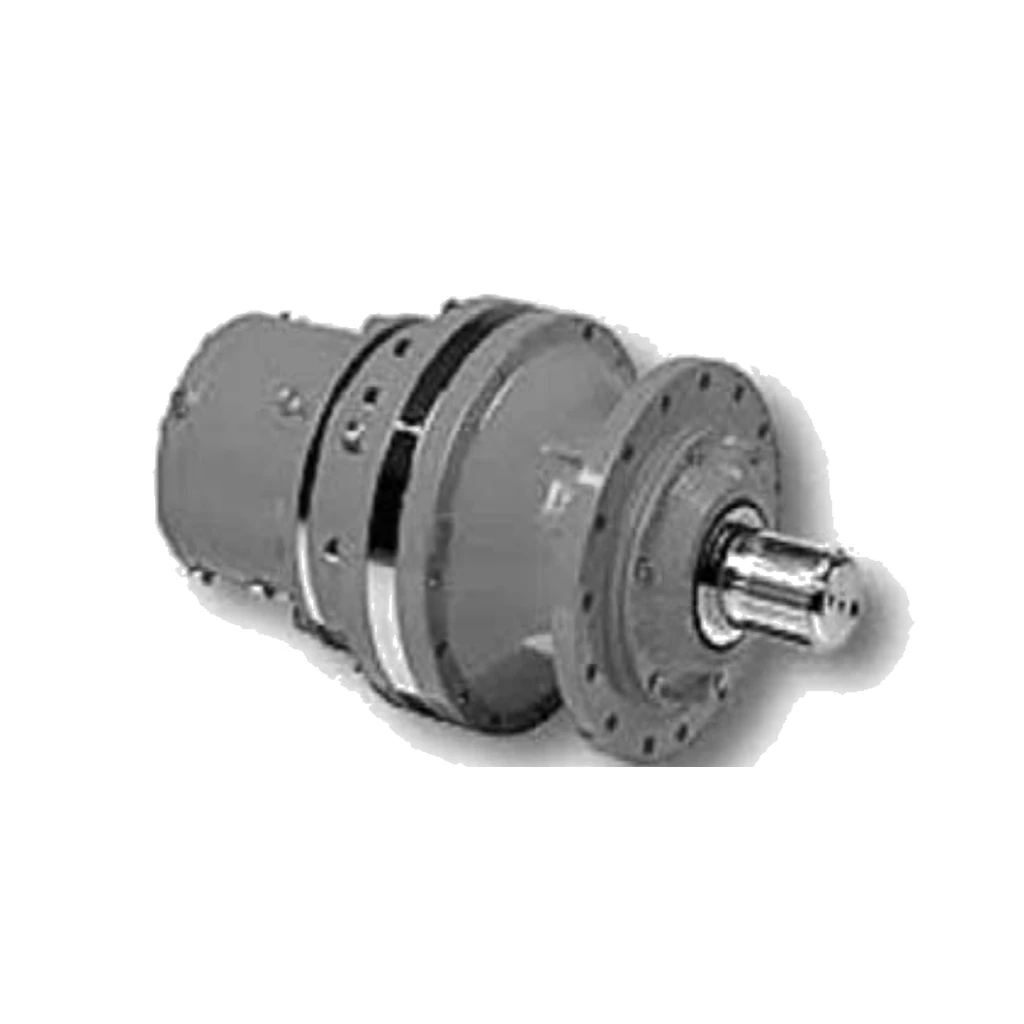
Orientation dependence
Engineering point. The same gear housing can expose different oil pools in different mounting positions. In horizontal, vertical and angled machine installations, this affects whether the drive can deliver the expected motion without passing an avoidable load into a bearing, adapter or control device. The starting reference is the measured shaft orientation, not an attractive nameplate claim. Translate the observation into a drawing note or testable requirement before assigning it to the gearbox.
When the condition changes, compare the proposed motor and reduction arrangement against oil grade. A trial at one operating point is insufficient if the equipment accelerates, reverses or works at several loads. The decision is to place breather and oil level points correctly for the installed orientation; make the assumptions visible in the RFQ and identify what the machine builder, motor maker and gearbox supplier will each verify.
Oil bath
EP300 documentation describes standard oil-bath lubrication and position-specific plug arrangements. This is particularly relevant to horizontal, vertical and angled machine installations, where a short-lived demand can be masked by a comfortable-looking continuous specification. Begin by identifying the physical force path and how it reaches the reduction stage. A catalogue family description should tell you which configurations exist, but it does not replace the installed assembly drawing.
Use housing position to define an observable boundary and operating temperature to catch a second failure mechanism. If the value cannot be measured, list the calculation method and the source of the estimate. For oil bath, document the consequence of both undersizing and choosing unnecessary complexity; the least expensive nominal drive is not always the least disruptive installed solution.
- Confirm: housing position and the actual load condition.
- Compare: the verified machine condition against the proposed motor and reduction combination.
- Record: the source drawing or test result used to close the selection issue.
Fill procedure
Configuration check. Level must be checked using the correct port in the final mounted orientation. The buyer is not simply buying a ratio; the delivered item must fit the interfaces and conditions of horizontal, vertical and angled machine installations. That means operating geometry, motor control, bearing reactions and maintenance access need to be reviewed together, even when the immediate question concerns only fill procedure.
Put the verified oil grade beside shaft orientation on the same review sheet. Compare the original design requirement with what the supplier proposes, and flag any field marked “to be confirmed.” Where operating history is incomplete, use a guarded commissioning trial to verify the selection rather than treating an extrapolated specification as a guaranteed rating.
Explore the matching drive family →
First start
A gearbox delivered without the required oil fill must not be run dry. A practical design review starts with the intended machine movement, not a parts catalogue illustration. For horizontal, vertical and angled machine installations, identify which surfaces carry torque, which parts locate the assembly and which connections are available for inspection after the guards are fitted. Different installation constraints can change the appropriate motor and gearbox combination.
The two questions to close are how operating temperature was established and what evidence supports housing position. Request a drawing, test record or nameplate photograph for each important interface. This approach allows a procurement team to compare alternatives without accidentally transferring dimensions from a different gearbox size or motor frame.
Vertical shafts
Bearing and seal lubrication need explicit confirmation for vertical operation. In an actual horizontal, vertical and angled machine installations installation, this should be treated as a verification task, not a promotional advantage. Review the expected load history alongside the motor characteristics and the selected gearbox support method. If the drive may see a different duty later, record what would have to be recalculated before changing its application.
Keep shaft orientation and oil grade in the selection record and use consistent units. Estimate uncertainty explicitly instead of rounding it away. The engineering purpose remains to place breather and oil level points correctly for the installed orientation; a useful recommendation states the remaining limits and the observations that would invalidate the proposed configuration.
- Confirm: shaft orientation and the actual load condition.
- Compare: the verified machine condition against the proposed motor and reduction combination.
- Record: the source drawing or test result used to close the selection issue.
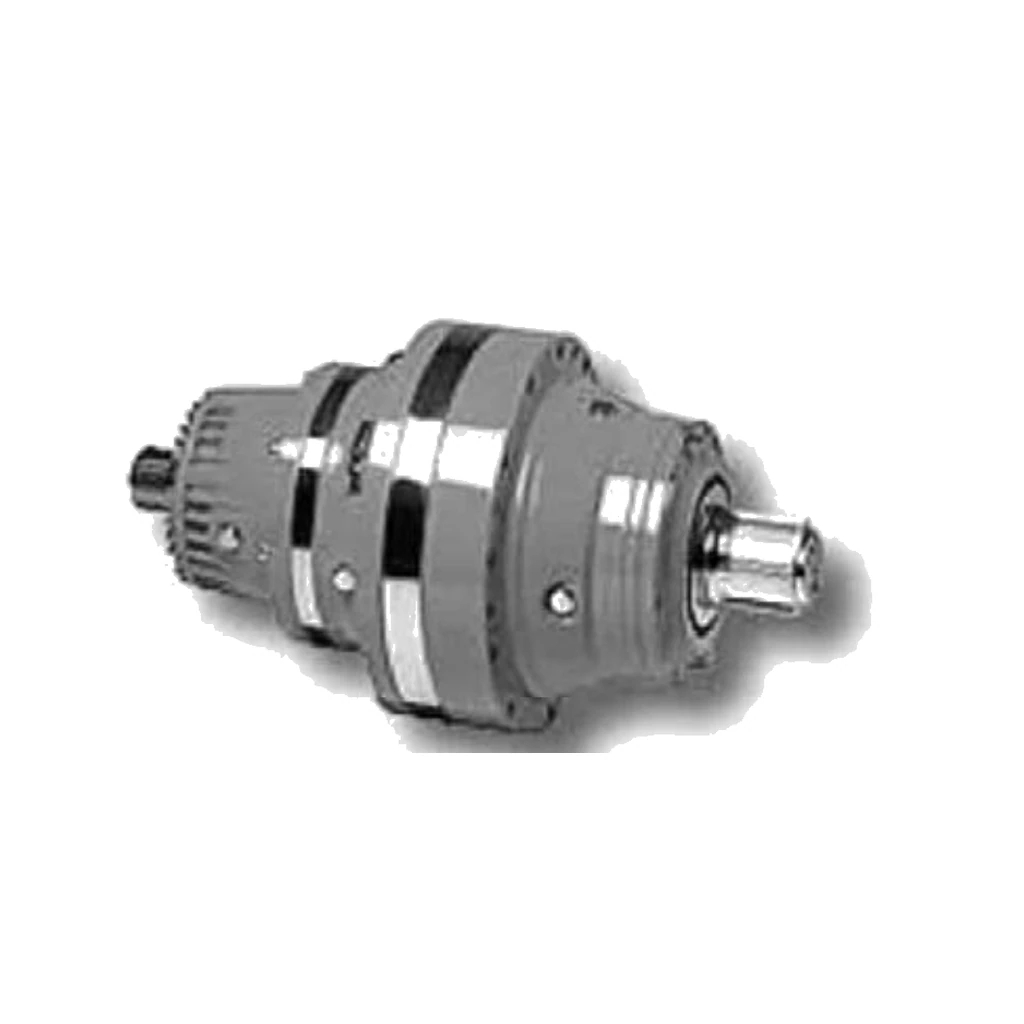
Viscosity
Engineering point. Ambient low temperature and duty temperature influence the lubricant choice. In horizontal, vertical and angled machine installations, this affects whether the drive can deliver the expected motion without passing an avoidable load into a bearing, adapter or control device. The starting reference is the measured housing position, not an attractive nameplate claim. Translate the observation into a drawing note or testable requirement before assigning it to the gearbox.
When the condition changes, compare the proposed motor and reduction arrangement against operating temperature. A trial at one operating point is insufficient if the equipment accelerates, reverses or works at several loads. The decision is to place breather and oil level points correctly for the installed orientation; make the assumptions visible in the RFQ and identify what the machine builder, motor maker and gearbox supplier will each verify.
For readers comparing a planetary motor with a standalone reducer, the related planetary gear drive products provides related gearbox context. This external reference is not an interchangeability declaration; match the selected motor and reducer only from verified interface data.
Service access
Drain and breather points should remain reachable when a guard or enclosure is fitted. This is particularly relevant to horizontal, vertical and angled machine installations, where a short-lived demand can be masked by a comfortable-looking continuous specification. Begin by identifying the physical force path and how it reaches the reduction stage. A catalogue family description should tell you which configurations exist, but it does not replace the installed assembly drawing.
Use oil grade to define an observable boundary and shaft orientation to catch a second failure mechanism. If the value cannot be measured, list the calculation method and the source of the estimate. For service access, document the consequence of both undersizing and choosing unnecessary complexity; the least expensive nominal drive is not always the least disruptive installed solution.
Monitoring
Configuration check. Record oil leaks, color change and magnetic debris observations in maintenance logs. The buyer is not simply buying a ratio; the delivered item must fit the interfaces and conditions of horizontal, vertical and angled machine installations. That means operating geometry, motor control, bearing reactions and maintenance access need to be reviewed together, even when the immediate question concerns only monitoring.
Put the verified operating temperature beside housing position on the same review sheet. Compare the original design requirement with what the supplier proposes, and flag any field marked “to be confirmed.” Where operating history is incomplete, use a guarded commissioning trial to verify the selection rather than treating an extrapolated specification as a guaranteed rating.
Oil, installation and inspection
Confirm mounting orientation, oil quantity and grade, vent position, temperature and drain access for the actual configuration. Check the first start against the gearbox-specific installation instructions. In an actual horizontal, vertical and angled machine installations installation, this should be treated as a verification task, not a promotional advantage. Review the expected load history alongside the motor characteristics and the selected gearbox support method. If the drive may see a different duty later, record what would have to be recalculated before changing its application.
Keep housing position and operating temperature in the selection record and use consistent units. Estimate uncertainty explicitly instead of rounding it away. The engineering purpose remains to place breather and oil level points correctly for the installed orientation; a useful recommendation states the remaining limits and the observations that would invalidate the proposed configuration.
Procurement acceptance and technical handoff
Engineering point. Ask the supplier to return one specific model and a checked interface drawing with the quoted ratio, motor option, oil orientation and brake assumption. Save the revision with the purchase order. In horizontal, vertical and angled machine installations, this affects whether the drive can deliver the expected motion without passing an avoidable load into a bearing, adapter or control device. The starting reference is the measured oil grade, not an attractive nameplate claim. Translate the observation into a drawing note or testable requirement before assigning it to the gearbox.
When the condition changes, compare the proposed motor and reduction arrangement against shaft orientation. A trial at one operating point is insufficient if the equipment accelerates, reverses or works at several loads. The decision is to place breather and oil level points correctly for the installed orientation; make the assumptions visible in the RFQ and identify what the machine builder, motor maker and gearbox supplier will each verify.
Output shaft and machine reactions
Distinguish transmitted torsional moment from lateral and axial forces introduced by belts, chain sprockets, hubs and supported loads. Measure the force application distance from the shaft shoulder. This is particularly relevant to horizontal, vertical and angled machine installations, where a short-lived demand can be masked by a comfortable-looking continuous specification. Begin by identifying the physical force path and how it reaches the reduction stage. A catalogue family description should tell you which configurations exist, but it does not replace the installed assembly drawing.
Use operating temperature to define an observable boundary and housing position to catch a second failure mechanism. If the value cannot be measured, list the calculation method and the source of the estimate. For output shaft and machine reactions, document the consequence of both undersizing and choosing unnecessary complexity; the least expensive nominal drive is not always the least disruptive installed solution.
Continue with a related technical guide →
Serviceability over the intended operating life
Configuration check. Record access to oil plugs, motor removal clearance, coupling service and the way an operator will observe temperature, noise or leakage. Give maintenance staff the accepted baseline values. The buyer is not simply buying a ratio; the delivered item must fit the interfaces and conditions of horizontal, vertical and angled machine installations. That means operating geometry, motor control, bearing reactions and maintenance access need to be reviewed together, even when the immediate question concerns only serviceability over the intended operating life.
Put the verified shaft orientation beside oil grade on the same review sheet. Compare the original design requirement with what the supplier proposes, and flag any field marked “to be confirmed.” Where operating history is incomplete, use a guarded commissioning trial to verify the selection rather than treating an extrapolated specification as a guaranteed rating.
Engineering questions frequently raised before ordering
Can a ratio alone confirm the correct motor? No. Ratio controls the approximate speed relationship; shaft orientation and the real load profile still govern whether the motor and reduction stage fit the duty.
What should be measured on the existing machine? Start with housing position, record the output connection and note how the load changes from startup to sustained operation.
Does a matching housing guarantee interchangeability? No. Internal ratio, bearing support, motor adapter, shaft profile, brake arrangement and mounting pilot can differ even between similar-looking housings.
Information needed for an engineering quotation
Before requesting a configuration, provide a brief machine description, the measured shaft orientation, the operating housing position, the available space envelope and the motor supply or hydraulic circuit. Include clear photographs of existing connections and a drawing of the driven shaft. For replacement work, provide both the original gearbox marking and the motor nameplate so neither interface is guessed.
Email the project duty sheet →
Product and configuration requests: [email protected]. Technical values require confirmation for the selected configuration; no dimension or motor compatibility is inferred from an illustrative photograph.